A Critical Issue Affecting Millions of Women
Intrauterine devices represent one of the most effective forms of long-acting reversible contraception available today, with efficacy rates comparable to sterilization methods. Yet despite their clinical advantages, a staggering 57% of IUD patients in the United States choose to have their devices removed before the recommended duration of use. This represents not just a contraceptive failure, but a missed opportunity to provide sustained, reliable reproductive health management to millions of women.
For clinicians managing IUD patients, these premature removals translate into valuable clinical time spent addressing complications, counseling disappointed patients, and navigating alternative contraceptive options. More importantly, they represent a significant quality-of-life burden for patients who selected IUDs specifically for their long-term reliability and convenience. Understanding why more than half of these devices are removed early-and what can be done to prevent it-has emerged as a critical question in women’s health.
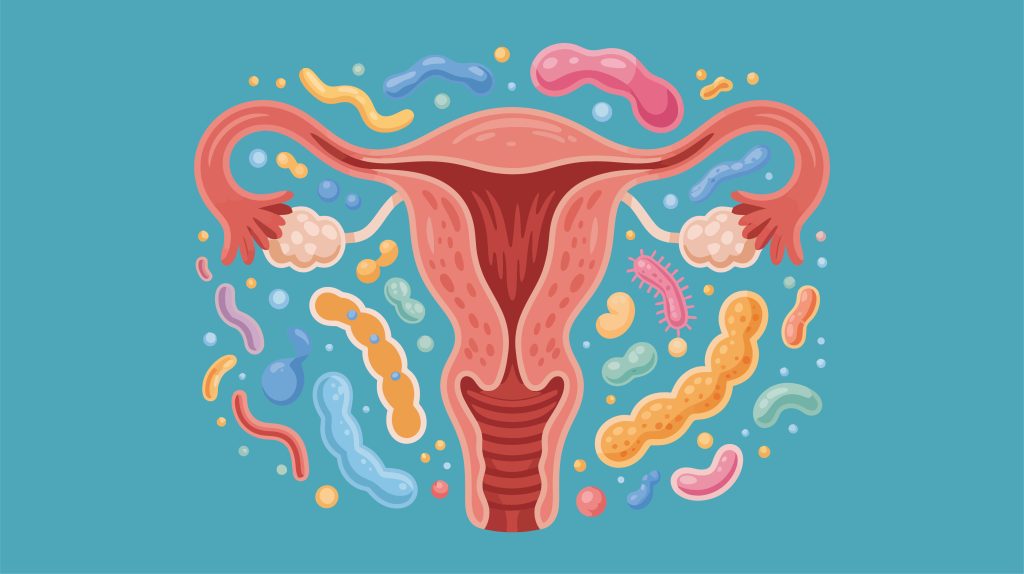
Recent research into the cervicovaginal microbiome has revealed a previously underappreciated factor driving these early removals: bacterial dysbiosis. The implications for clinical practice are profound, offering new pathways for prevention, early intervention, and improved patient outcomes.
The Clinical Problem: A Symptom Triad Driving Early Removal
When examining the reasons behind symptomatic IUD removals, three dominant complaints emerge with striking consistency: pelvic pain (60% of symptomatic cases), abnormal bleeding (40%), and device-related complications (40%). These are not minor inconveniences that patients learn to tolerate. They represent significant disruptions to daily life, sexual health, and overall well-being that ultimately drive patients to request early removal.
Pelvic pain associated with IUD use can range from mild cramping to severe discomfort that interferes with work, exercise, and intimate relationships. Abnormal bleeding patterns-including menorrhagia and intermenstrual bleeding-create unpredictability that many patients find unacceptable, particularly when they selected IUDs precisely for their convenience. Device complications, while less common, add another layer of concern for both patients and providers.
The challenge for clinicians has traditionally been the limited diagnostic tools available to identify which patients are at risk for these complications and why they occur. Standard cultures often miss fastidious organisms and provide limited information about the overall microbial ecosystem. Physical examination may reveal normal cervical and uterine anatomy. Yet the symptoms persist, and patients understandably request removal.
This diagnostic gap has left many clinicians frustrated, managing symptoms reactively rather than addressing underlying causes. The result is the alarmingly high premature removal rate that undermines the very benefits IUDs are meant to provide.
The Microbiome Connection: Understanding Dysbiosis and Disease
Groundbreaking research has now identified a critical link between cervicovaginal microbiome composition and IUD-related complications. Studies comparing the bacterial profiles of IUD strings removed for symptomatic versus asymptomatic reasons have revealed striking differences that shed new light on the pathophysiology of IUD complications.
Patients experiencing symptoms sufficient to warrant IUD removal demonstrate a significantly higher overall bacterial load-an average 1.4 logfold increase compared to asymptomatic patients. This elevated bacterial burden suggests that symptomatic presentations may reflect a host inflammatory response to pathogenic colonization, rather than simple mechanical effects of the device itself.
More revealing than total bacterial load is the specific composition of the microbial community. Symptomatic patients show striking depletion of protective Lactobacillus species and corresponding overgrowth of pathogenic organisms. Multiple non-Lactobacillus species have been identified in symptomatic cases, including Fusobacterium, Haemophilus, Prevotella, and unclassified Rhodospirillales species-all recognized as potential pathogens.
In some symptomatic cases, up to 40% of samples were dominated by clearly pathogenic species, particularly Fusobacterium nucleatum and Haemophilus influenzae. The presence of these organisms, combined with elevated levels of Gardnerella in dysbiotic communities, creates a cervicovaginal environment that promotes inflammation, epithelial disruption, and symptomatic disease.
This dysbiotic state represents a fundamental shift from the protective, Lactobacillus-dominated microbiome that characterizes vaginal health. Research has shown that specific Lactobacillus species, particularly L. reuteri, can actively disrupt biofilm formation by pathogenic organisms like Gardnerella vaginalis. When this protective barrier is compromised, pathogenic bacteria can colonize the IUD string and surrounding tissues, triggering the cascade of symptoms that ultimately lead to device removal.
Understanding this microbial mechanism transforms how we conceptualize IUD complications. Rather than viewing symptoms as inevitable device-related effects in susceptible patients, we can now recognize them as potentially preventable consequences of cervicovaginal dysbiosis-a condition that can be identified, treated, and monitored.
Clinical Implications: From Reactive Management to Proactive Prevention
The microbiome research fundamentally shifts the clinical approach to IUD management from reactive symptom treatment to proactive risk assessment and prevention. The elevated bacterial load and differential community profile in symptomatic patients suggest that the cervicovaginal microbiome may be a viable target for improving IUD continuation outcomes.
This paradigm shift opens several clinical opportunities:
Pre-Insertion Risk Stratification: Rather than treating all IUD candidates uniformly, clinicians can now identify patients at elevated risk for complications based on their baseline cervicovaginal microbiome. Patients with existing dysbiosis, Lactobacillus depletion, or pathogenic overgrowth can be counseled appropriately and offered pre-treatment optimization before device insertion.
Early Intervention for Symptomatic Patients: When patients develop new symptoms after IUD placement, microbiome testing can differentiate between microbial dysbiosis (potentially treatable with targeted antimicrobials or probiotics) and other device-related factors. This enables informed decision-making about whether to pursue medical management or proceed with removal.
Targeted Therapeutic Interventions: Just as endometrial microbiome profiling has been used to guide treatment decisions and improve pregnancy rates in assisted reproduction, cervicovaginal microbiome assessment can direct personalized interventions for IUD patients. The specific bacterial community identified can determine whether patients would benefit from probiotics, antibiotics, or combination therapy.
Extended Device Use: Perhaps most significantly, addressing dysbiosis may allow patients who would otherwise require early removal to continue successful IUD use. Given that pelvic pain, menorrhagia, and intermenstrual bleeding-the primary drivers of early removal-are potentially linked to microbial dysbiosis, treating the underlying bacterial imbalance could reduce the 57% premature removal rate substantially.
Diagnostic Approach: Molecular Testing Meets Clinical Need
The clinical insights from microbiome research only translate into improved patient care when paired with accessible, accurate diagnostic tools. This is where Next Generation Sequencing (NGS) technology becomes essential. NGS profiling of the cervicovaginal microbiome provides clinicians with actionable information that traditional culture-based methods simply cannot deliver.
Traditional vaginal cultures have significant limitations. They detect only organisms that grow readily in laboratory conditions, missing fastidious or slow-growing bacteria. They provide limited quantitative information about bacterial load. Most critically, they fail to capture the community-level dynamics that distinguish healthy from dysbiotic microbiomes.
NGS-based testing overcomes these limitations through comprehensive molecular detection. By sequencing bacterial DNA directly from clinical samples, these platforms identify the full spectrum of organisms present, quantify their relative abundances, and characterize the overall community structure. This comprehensive profile enables precise identification of dysbiosis patterns associated with IUD complications.
MicroGenDX has developed WomensKEY, a specialized NGS-based test designed specifically for assessing the vaginal and cervical microbiome. This diagnostic platform offers several advantages that align directly with clinical workflow requirements:
Rapid Turnaround Time: Results are available in as little as 24 hours, often by the next day. This rapid reporting enables timely clinical decision-making, whether assessing a patient before IUD insertion or evaluating new-onset symptoms in a current IUD user. Patients don’t wait weeks for answers-they receive actionable information within 24-48 hours.
Exceptional Accuracy: With a 99.2% accuracy rate, WomensKEY provides reliable identification of bacterial species and quantification of microbial load. This precision is essential when making treatment decisions, as clinicians need confidence that identified organisms genuinely reflect the patient’s cervicovaginal microbiome composition.
Cost-Effective Testing: As one of the lowest-cost NGS options available, WomensKEY makes comprehensive microbiome assessment accessible without creating prohibitive financial barriers for patients or practices. When weighed against the costs of managing complications, premature device removal, and reinsertion procedures, molecular testing represents a cost-effective investment in improved outcomes.
Clinical Workflow Integration: Sample collection requires only a routine cervicovaginal swab-a procedure already familiar to clinicians and well-tolerated by patients. The specimen can be collected during an IUD consultation visit, at the time of device insertion, or when evaluating symptomatic patients. No specialized equipment or training is required beyond standard swabbing technique.
The clinical applications of this testing span the entire IUD care continuum:
- Pre-insertion screening in patients with risk factors for dysbiosis (history of bacterial vaginosis, recurrent infections, previous IUD complications)
- Baseline assessment for patients desiring optimal IUD outcomes, establishing a reference point for future comparison
- Symptomatic evaluation when patients develop pelvic pain, abnormal bleeding, or other concerning symptoms
- Treatment monitoring to verify restoration of healthy microbiome after therapeutic intervention
- Longitudinal surveillance for high-risk patients to detect early dysbiosis before symptoms emerge
Treatment Strategies: Evidence-Based Interventions
Once dysbiosis is identified through molecular testing, targeted interventions can address the underlying microbial imbalance. The specific treatment approach depends on the bacterial community profile revealed by NGS testing.
Probiotic Therapy: For patients with Lactobacillus depletion but without significant pathogenic overgrowth, restoration of protective Lactobacillus species through probiotic supplementation may be sufficient. Given the biofilm-disrupting properties of L. reuteri, selection of probiotic formulations containing this species may offer particular benefits. Vaginal administration of probiotics allows direct colonization of the target tissue.
Targeted Antibiotic Treatment: When pathogenic bacteria dominate the microbiome-particularly organisms like Fusobacterium nucleatum, Haemophilus influenzae, or Gardnerella vaginalis-appropriate antimicrobial therapy can reduce pathogenic load before it triggers symptomatic disease. The species-level identification provided by NGS enables selection of antibiotics with appropriate spectrum of activity, avoiding broad-spectrum agents when narrower options suffice.
Combination Approaches: Some patients may benefit from sequential therapy: antimicrobials to reduce pathogenic bacteria followed by probiotics to restore protective Lactobacillus populations. This two-step approach addresses both the elimination of harmful organisms and the restoration of healthy microbiome ecology.
Pre-Treatment Before Insertion: Perhaps most promising is the opportunity to optimize the microbiome before IUD placement in patients identified as high-risk. By addressing dysbiosis proactively, clinicians can reduce the likelihood of post-insertion complications and improve overall continuation rates. The use of NGS to guide treatment strategies, including targeted probiotic or antibiotic therapies before IUD insertion, could help mitigate complications and extend effective IUD use.
Treatment Verification: Follow-up testing after therapeutic intervention confirms restoration of healthy microbiome composition. This verification step ensures that treatment achieved its intended effect and provides reassurance before proceeding with IUD insertion or decision-making about device continuation.
The Impact on Women’s Health: Beyond Individual Patients
The implications of microbiome-guided IUD management extend far beyond individual patient encounters. When we consider that 57% of IUD users remove their devices prematurely, and that IUDs represent the most effective reversible contraceptive method available, the public health impact becomes clear.
Reducing premature IUD removals means:
Improved Contraceptive Coverage: More women maintaining effective long-term contraception, with fewer unintended pregnancies resulting from gaps in contraceptive coverage after IUD removal.
Enhanced Patient Satisfaction: Women who can continue using their preferred contraceptive method without the burden of persistent pain, abnormal bleeding, or other complications experience better quality of life and reproductive autonomy.
Reduced Healthcare Costs: Fewer removal and reinsertion procedures, decreased emergency department visits for IUD-related complications, and more efficient use of clinical resources.
Empowered Clinical Practice: Clinicians equipped with diagnostic tools to identify at-risk patients, direct targeted interventions, and provide evidence-based counseling gain confidence in IUD provision and management.
Broader Access to LARC: As IUD continuation rates improve, both patients and providers may feel more confident selecting IUDs as first-line contraception, potentially increasing overall LARC utilization.
The potential to help so many women cannot be overstated. In the United States alone, millions of women use IUDs for contraception. If even a fraction of the 57% who currently experience premature removal could continue successful IUD use through microbiome-guided management, the impact would be transformative.
Call to Action: Integrating Microbiome Testing into IUD Care
The evidence is clear: cervicovaginal microbiome composition correlates strongly with IUD-related complications and premature removal. The technology exists to identify at-risk patients and guide targeted interventions. What remains is for clinicians to integrate this knowledge into standard IUD care.
Consider implementing microbiome testing in your practice for:
- Patients with a history of IUD complications or previous early removal
- Women with recurrent bacterial vaginosis or other vaginal infections
- Patients developing new-onset symptoms after IUD insertion
- High-value patients who have specifically selected IUDs for long-term use and wish to optimize outcomes
- Any IUD candidate interested in comprehensive pre-insertion assessment
WomensKEY provides the diagnostic capability to make this integration seamless. With 24-48 hour turnaround times, 99.2% accuracy, and accessible pricing, molecular microbiome testing can become a standard component of evidence-based IUD care.
Future research will continue to refine our understanding of the microbiome-IUD interface, exploring optimal sampling strategies, identifying additional microbial biomarkers of complications, and validating specific treatment protocols. However, sufficient evidence already exists to begin implementing microbiome-guided approaches in clinical practice today.
The goal is clear: reduce the 57% premature removal rate by addressing a modifiable, treatable risk factor. By identifying dysbiosis early and intervening appropriately, we can help millions of women achieve the long-term, effective contraceptive outcomes they deserve when selecting an IUD. The technology is available, the evidence is compelling, and the potential impact on women’s health is substantial.
It’s time to move beyond managing IUD complications reactively and embrace a proactive, microbiome-informed approach to IUD care. Your patients-and the millions of women they represent-will benefit from this evolution in clinical practice.
For more information about WomensKEY and microbiome testing for gynecologic applications, visit MicroGenDX.